
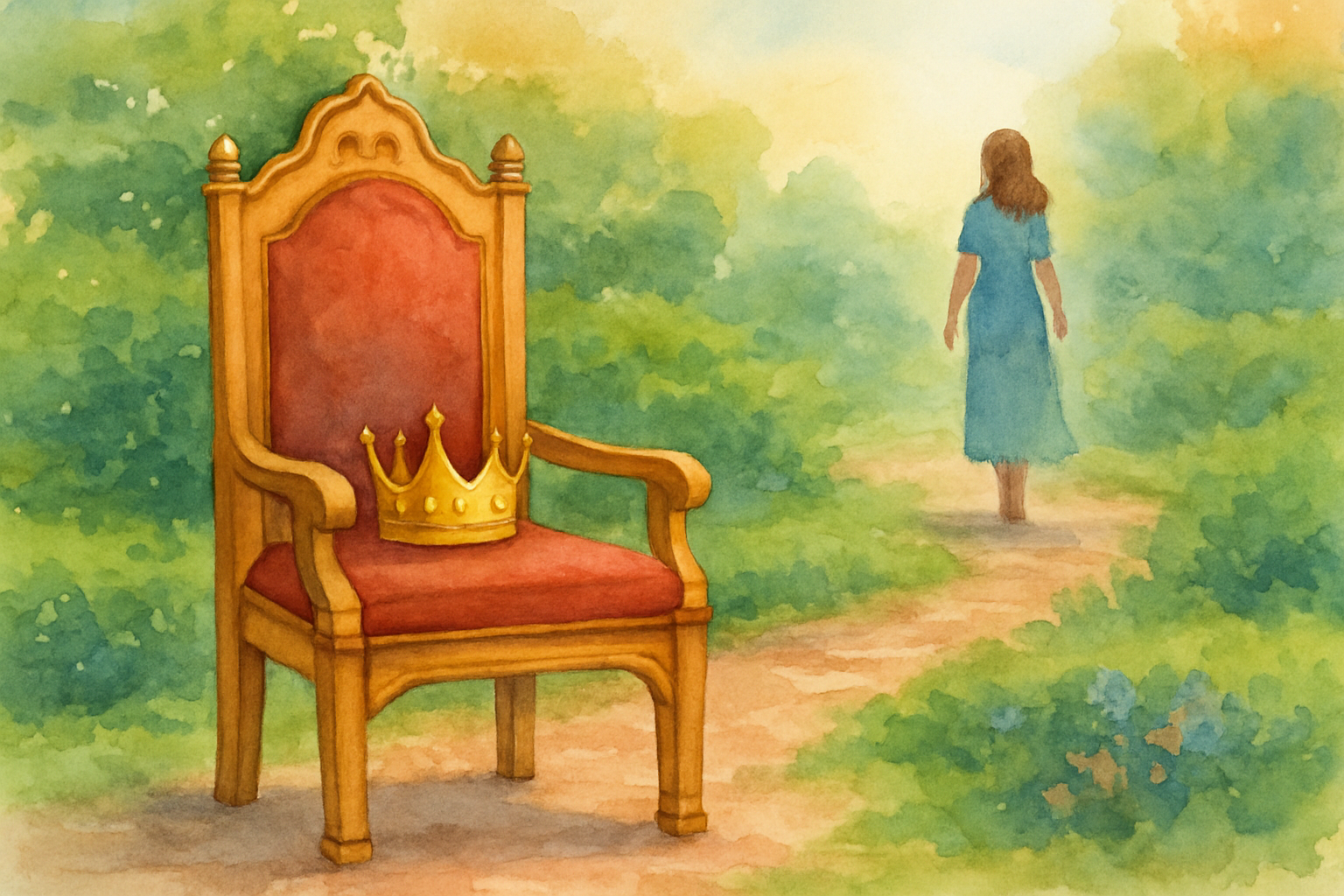
When we talk about power, the conversation usually centers on people who take too much of it—those who manipulate, dominate, or hoard. But there’s another, more subtle, power imbalance that we don’t talk about enough: the power we give away.
That kind of power shift doesn’t come from force or manipulation. It comes from within—when we abandon our own agency in moments that feel uncomfortable, overwhelming, or uncertain. It’s not about being overpowered; it’s about abdication. And it has real consequences, not just for us, but for the people we’re trying to serve and lead.
This article is for mission-driven professionals who want to grow in self-awareness and personal leadership. If you’ve ever felt stuck or frustrated with a situation you were technically capable of changing—but didn’t—this is for you.
What Is Personal Power?
At its core, power is simply the ability to act or produce an effect. By that definition, power is everywhere. Even a rock has power—it can crack a windshield or redirect the flow of water. But unlike rocks, humans can be conscious of our power. We can use it intentionally, or we can shy away from it when it feels risky or uncomfortable.
And many of us do just that—sometimes often, and without even realizing it.
Why We Abdicate Power
There are many reasons we give up power, and most of them are rooted in deep, understandable needs:
- To avoid conflict or emotional discomfort
- To protect ourselves from making a mistake
- To stay in good standing with others
- To minimize the risk of hurting someone else
- To feel safe, seen, or accepted
In the moment, these reasons make sense. Abdicating power feels like a path to connection, safety, or simplicity. But over time, consistently giving up our power leads to disconnection—from others, and from ourselves.
What Does Abdication Look Like?
You might be giving up your power if you:
- Say “I don’t care” when you actually do, just to avoid disagreement
- Let others make decisions you’re fully capable of making
- Avoid learning how things work at home or at work
- Follow instructions to the letter, even when they don’t make sense
- Pretend to agree with something you don’t understand or believe
This isn’t about blaming yourself. It’s about getting curious.
Each of these strategies likely served you at some point. But now it’s time to ask: Are they still helping?
Reflect, Reclaim, Rebuild
Start by reflecting on the moments when you tend to give up power. What are you protecting yourself from? How is this strategy helping you—or was it helping you, once upon a time? And what’s the cost of continuing?
Once you can see your patterns clearly, you can start practicing new ones. Power, like any skill, gets stronger with use.
Try these:
- Choose the dinner spot—without asking others what they want first.
- Tackle a task at home or work without waiting for approval.
- Share your honest opinion, even if you’re not sure that it will be well-received.
- Ask questions in meetings when decisions feel unclear.
These aren’t just exercises in assertiveness. They’re acts of reconnection—with your own agency, your own values, and your ability to effect change.
Why This Matters
When you habitually give up your power, you don’t just lose influence—you lose your sense of self. That can lead to resentment, burnout, and even sudden eruptions of anger that seem to come out of nowhere. It also robs the universe of the ideas and perspectives only you can provide.
But when you use your power intentionally, you begin to create the outcomes you long for—both personally and professionally. You become someone who can meet discomfort with clarity, who can lead with integrity, and who can shape change without force.
That’s the kind of leadership the world needs. And it starts with a quiet but radical act: noticing where you’ve abandoned your power—and choosing, gently and firmly, to take it back.